8 April 2026 · 7 min read
Spring: The Best Time to Plan Your Veranda Installation
You don’t need to rush. But if you want to be sitting under your veranda this summer, now is when to start.
Every year, around mid-June, we get a wave of enquiries from people who’ve spent the first warm weekend of the year in their garden and thought: this would be so much better with a veranda. They’re right — it would. But by that point, they’re looking at an autumn installation rather than a summer one.
A veranda isn’t something you order on Monday and have installed on Friday. There are surveys to arrange, designs to finalise, manufacturing lead times of 4–8 weeks, and then the installation itself. None of this is complicated, but it does take time — and time is exactly what spring gives you.
This isn’t a sales pressure article dressed up as advice. We don’t do seasonal promotions, we don’t inflate prices before “discounting” them, and your quote will be exactly the same whether you get in touch today or in October. What we’re sharing here is genuinely practical: if you’re thinking about a veranda this year, here’s what the realistic timeline looks like and why starting now puts you in the best position.
Why Spring Timing Works
There are four practical reasons why spring is the sweet spot for starting your veranda project. None of them are about sales targets — they’re about how the process actually works.
1. Lead Times Are Real
Every veranda we supply is manufactured to your exact measurements. Whether that’s a Bolthole with a straightforward rectangular footprint or a Pavilion with bespoke dimensions, the frame, roof panels, and any glazing are all made specifically for your property. That manufacturing process takes 4–8 weeks depending on the model and specification.
Add in the time for your initial enquiry, a site survey, your quote, and any design decisions you want to think through — and you’re looking at a realistic 8–12 weeks from first contact to completion. Start in early April and you’re looking at a June or early July installation. Start in late June and you’re into September.
2. Installation Diaries Have Availability
Our installation teams book out weeks in advance during the summer months. By starting the process in spring, your installation gets slotted into the diary at a time when there’s genuine flexibility on dates. Leave it until summer, and you’re working around a busier schedule — which is fine, but it means less choice about your preferred dates.
3. You Get to Enjoy the Best Weather
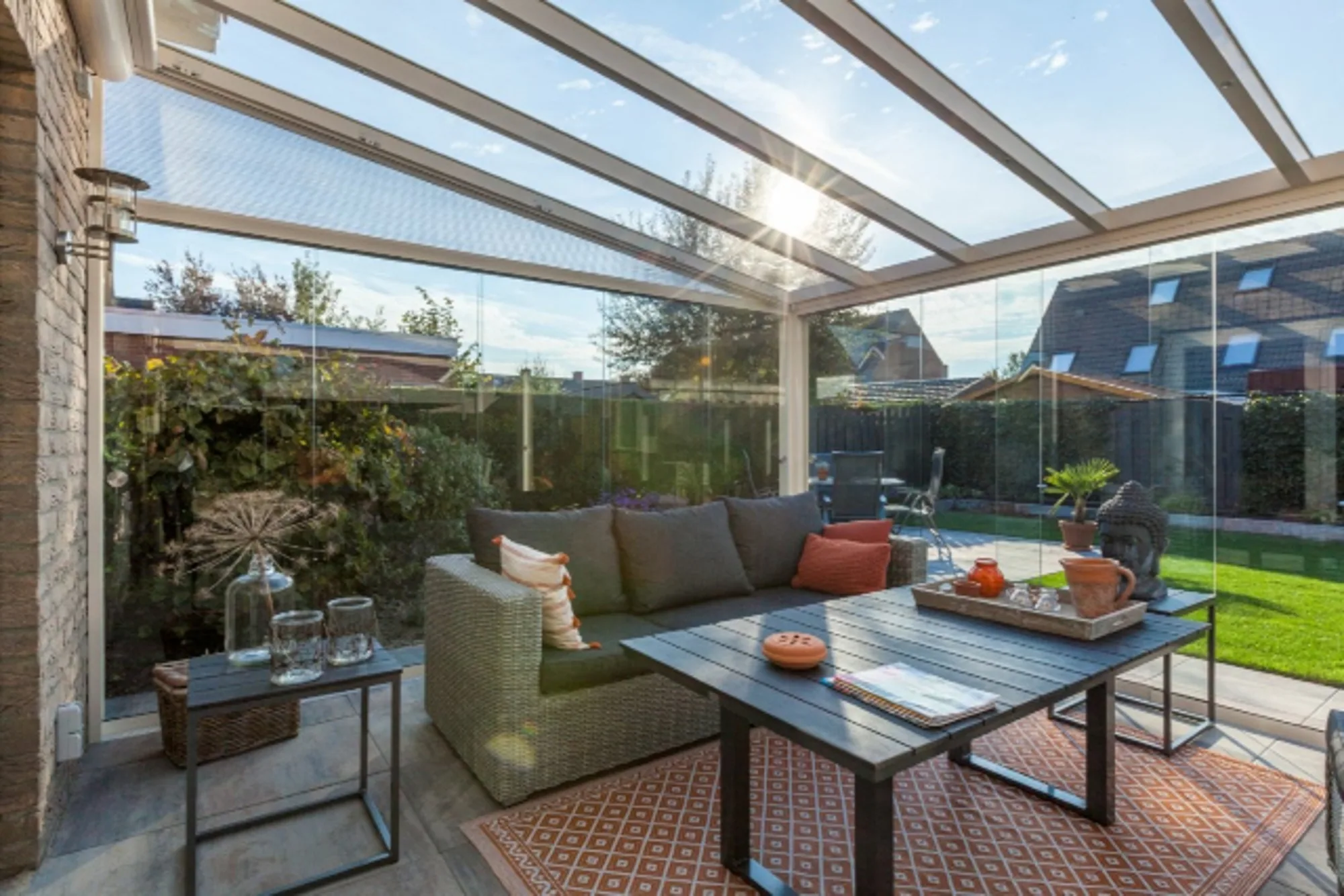
This sounds obvious, but it’s worth saying plainly: a veranda installed in June gives you the entire summer to use it. A veranda installed in October is just as good a product — it’ll last decades either way — but you’ll be waiting until the following spring to really enjoy it. If you’re investing in outdoor living space, getting the timing right so you can use it from day one makes the whole experience more satisfying. For ideas on how much use you’ll actually get from it, see our guide to using your veranda year-round.
4. Groundwork Conditions Are Favourable
Veranda installations involve fixing into the ground — typically a concrete base or existing patio. Spring ground conditions are ideal: the earth has thawed and dried after winter, foundations cure well in moderate temperatures, and there’s plenty of daylight for the installation team to work in. None of this makes a summer or autumn installation impossible, but spring conditions simply make the job smoother.
The Realistic Spring Timeline
Here’s exactly what the process looks like when you start in spring. No vague promises, no glossing over the steps — this is the actual sequence, with realistic timeframes. For a more detailed walkthrough of each stage, see our full installation process guide.
April Start → June Completion
A realistic timeline for a spring enquiry
Week 1
Enquiry & Site Survey
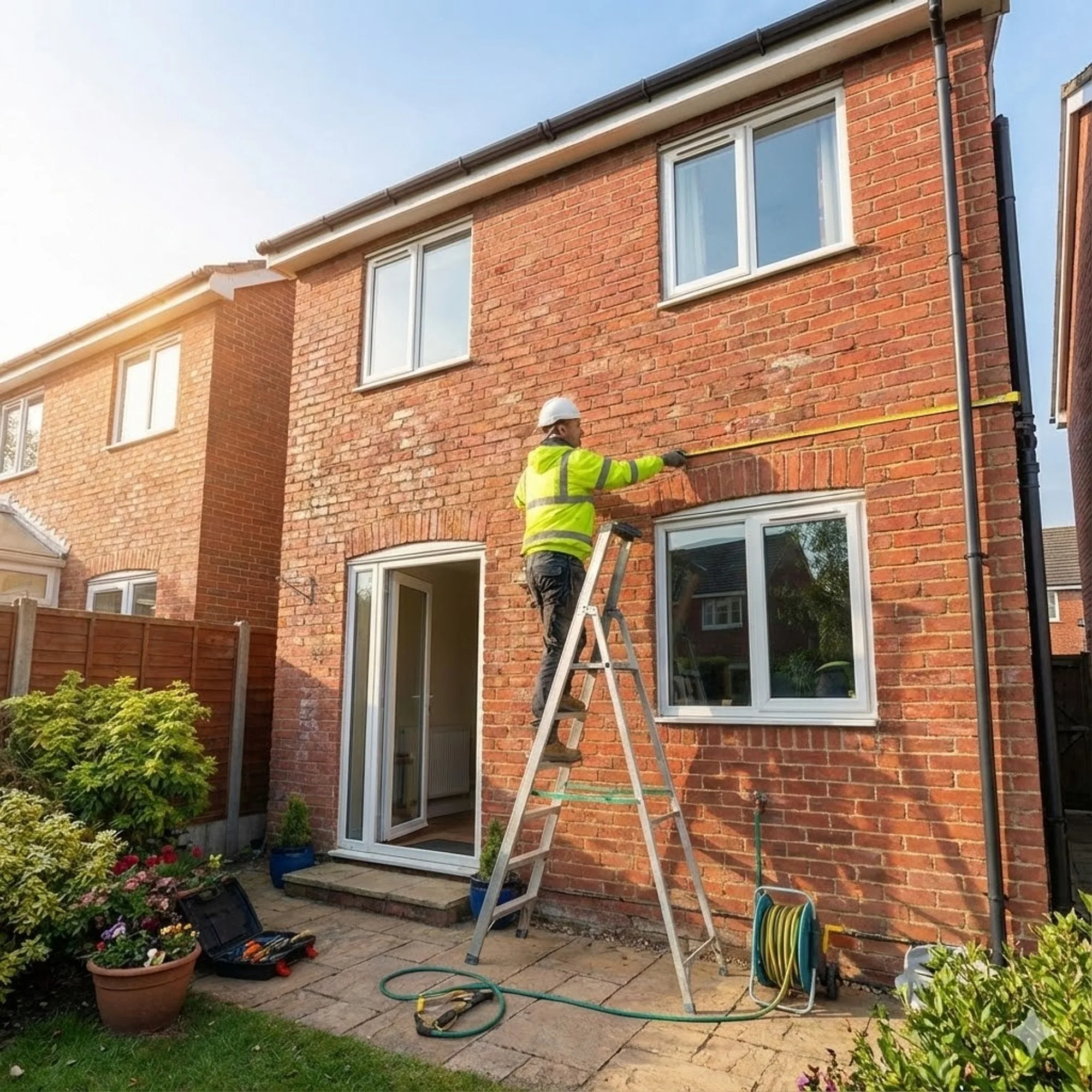
You get in touch — by phone, through the online quoter, or by booking a survey directly. We arrange a convenient time to visit your property, take measurements, assess the mounting points, check drainage, and discuss what you’re looking for. The survey itself takes around 45–60 minutes.
Week 1–2
Your Quote
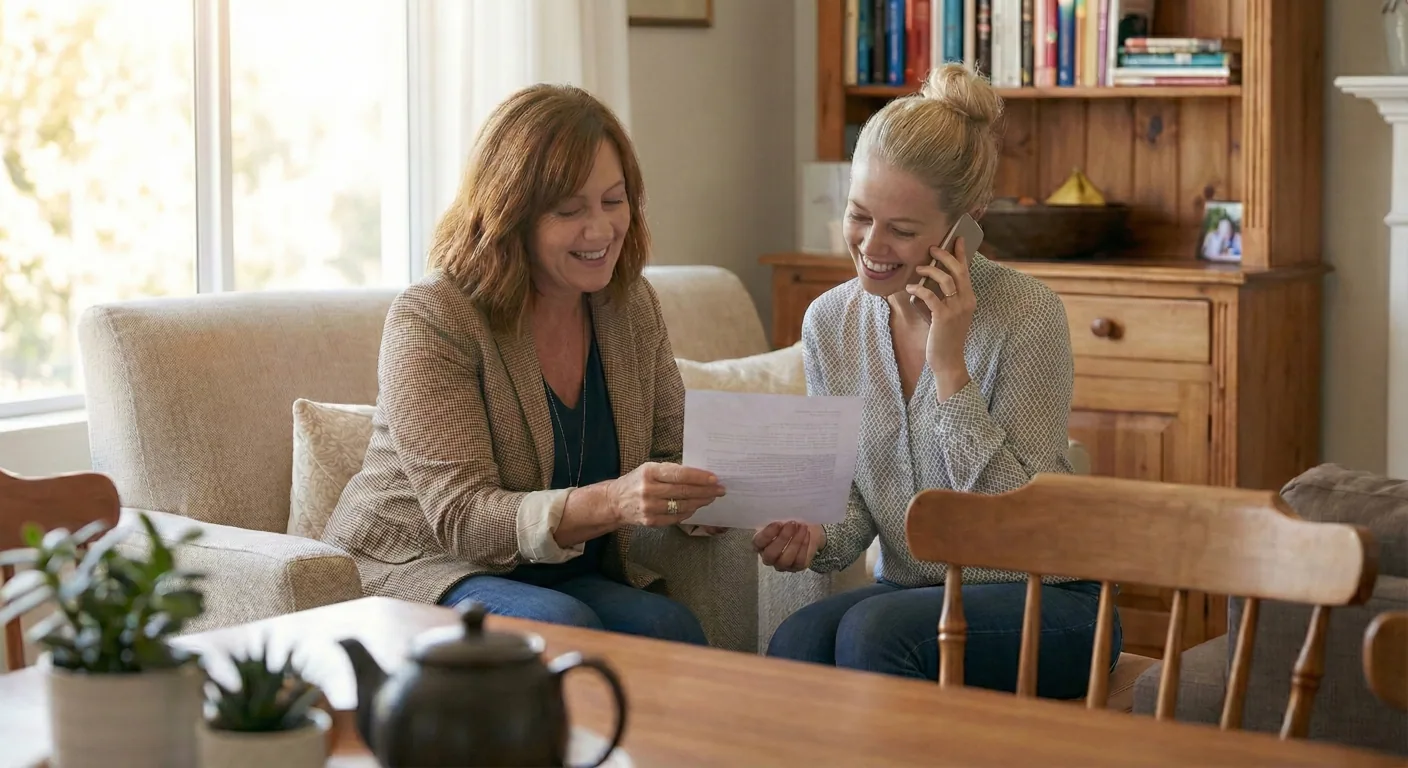
Based on the survey, we prepare a detailed quote with exact dimensions, specification, and a total price that includes installation and VAT. No hidden extras, no follow-up negotiation. The price you see is the price you pay. Take as long as you need to think it through.
1–3 days
Installation
Our teams install most verandas in 1–3 days depending on size and complexity. You don’t need to be home for the entire installation, though we’ll need access to the rear of the property and an exterior power socket. At the end, we walk you through everything and leave the site clean.
The maths is simple: order in April, your veranda is manufactured through May, and installed in June. That’s the entire summer ahead of you.
What About Summer Ordering?
If you’re reading this in June or July thinking you’ve missed the window — you haven’t. You’ve missed the window for this summer, most likely, but an autumn installation is still absolutely worthwhile.
A veranda isn’t a fair-weather product. It provides shelter from rain, shade from sun, and a covered outdoor space that extends your home year-round. An October installation means you’re protected through winter and already set up when the following spring arrives. Many of our customers who installed in autumn tell us they use their veranda more in the cooler months than they expected — particularly with side options like sliding glass or fixed glass walls that create a genuinely sheltered space.
The point is: there’s no bad time to order. But there is a best time if you want to maximise your first year of enjoyment — and that’s now.
The Spring Survey Advantage
There’s a practical benefit to having your site survey done in spring that most people don’t think about. When our surveyor visits your property in April or May, conditions are perfect for assessing exactly what your installation needs:
Natural Light
Longer daylight hours and the sun’s spring angle let us see exactly how light falls across your patio and into your home. This helps with decisions about roof glazing versus polycarbonate, and where to position the veranda for the best balance of light and shade.
Garden Furniture Out
By spring most people have their outdoor furniture arranged as they’ll actually use it. This makes it much easier to plan the veranda dimensions around your real-world usage — where the table sits, where you want the clear span, how deep the cover needs to be.
Drainage Visible
After a wet winter and spring showers, we can clearly see how water moves across your patio and where it drains. This is important — every veranda needs proper drainage planning, and spring conditions give us the best picture of your property’s natural water flow.
Accurate Measurements
Ground that’s settled after winter, guttering that’s at its working state, and foliage that’s growing but not yet at full height — spring gives the most representative conditions for precise measurements and mounting point assessment.
A winter survey works perfectly well too — our surveyors are experienced in all conditions. But there’s something about spring that makes it easier for you as the customer to visualise the end result. You’re standing in your garden in pleasant weather, looking at where the veranda will go, and it just clicks.
Financial Planning: Spread the Cost Without Seasonal Pressure
One of the advantages of planning in spring is that it gives you time to get your finances in order without feeling rushed. A few things worth knowing:
- No seasonal pricing: We don’t do spring sales, summer discounts, or winter offers. The price is the price, all year round. You’ll never be told “this offer expires Friday” because we don’t operate that way.
- Spread the cost naturally: Our payment terms are 50% on order, 40% when the goods arrive at our warehouse (before installation), and 10% on completion. With a spring start, those payments are spread over 8–12 weeks rather than bunched together. For a detailed look at the smartest ways to pay, including 0% finance options, read our guide to financing a veranda.
- Tax year timing: If you’re self-employed or running a business from home, starting the process in April means the expenditure falls neatly at the start of the new tax year. Worth discussing with your accountant if a portion of the cost may be claimable.
- Budget with real numbers: Use our online quoter to get an instant ballpark price based on your preferred model and size. No phone call needed, no obligation. It takes about two minutes and gives you a real number to plan around. For a broader understanding of what different verandas cost and why, see our full pricing guide.
Thinking about the investment side? A quality veranda can add meaningful value to your property. Our Veranda Value Calculator estimates the potential uplift based on your home’s current value, and our Improve Don’t Move guide compares the true cost of improving your current home versus the expense of moving. Worth running the numbers before you commit either way.
What to Do This Week
If you’re thinking about a veranda this year, here are the most useful things you can do right now — none of which commit you to anything:
- Measure your patio. Width along the back of the house, depth out from the wall. Even rough measurements help us give you a more accurate initial idea of cost and which models suit your space.
- Browse the range. We offer verandas from entry-level to premium. The Bolthole is our most affordable model, perfect for straightforward installations. The Pavilion is our most popular British-made veranda with 60-year engineering. The Horizon is the widest-spanning model in our range at up to 7 metres. Each has a detailed product page with specs, images, and use cases.
- Get an instant price. Our online quoter gives you a real ballpark figure in under two minutes. No email required, no follow-up call unless you want one.
- Get in touch when you’re ready. Call us on 0800 654 6964, or book a time that works for you. We’ll answer your questions honestly, recommend the right model for your space, and — if you’re happy to proceed — arrange a site survey at a time that suits you.
There’s no pressure at any stage. Plenty of our customers browse for weeks or months before getting in touch, and that’s completely fine. The only thing we’d gently point out is the maths on timing: if you want to be under your veranda this summer, the clock starts when you make that first enquiry.
Ready to Start the Conversation?
Our online quoter gives you an instant price in under two minutes — no phone call, no obligation. Or book a time to talk.
Get an Instant Quote Book a SurveyFrequently Asked Questions
How far in advance should I plan a veranda installation?
Ideally 8–12 weeks before you want to be using it. That gives time for a site survey, your quote, any design decisions, manufacturing (4–8 weeks depending on the model), and the installation itself (1–3 days). Starting in April typically means you’re ready by June.
Can you install a veranda in winter?
Yes. Our installation teams work year-round. Winter installations are perfectly viable — the aluminium framework and glazing aren’t affected by cold weather. The only thing that can cause a delay is genuinely extreme conditions like heavy snow or sustained high winds on the installation day itself.
Is there a cheapest time of year to buy a veranda?
No. We don’t use seasonal pricing, sale events, or artificial discounts. The price you’re quoted in April is the same price you’d be quoted in November. This is a deliberate choice — we believe transparent, consistent pricing is fairer for everyone.
What if I’m not ready to commit but want to start exploring?
That’s completely fine — most of our customers spend weeks or months researching before they get in touch. Browse our range online, use the online quoter to get instant ballpark pricing, and read through our blog. When you’re ready, book a site survey or call us. There’s no pressure at any stage.